8 energy-saving gadgets and gifts for the holidays

Give the gift of savings and comfort.
We know sweater weather is here, but let’s leave the ugly knits to your cousin Carol and light up the season with smart — and unexpected — energy-saving home technology gifts. From stocking stuffers to splashy splurges, these eight gift ideas are perfect for the gadget-lovers on your gift list.
Plug-in smart outlets: The perfect gift for multitaskers.
Best for: The multitasker and the forgetful.
Cost: About $25 for a 4-pack.
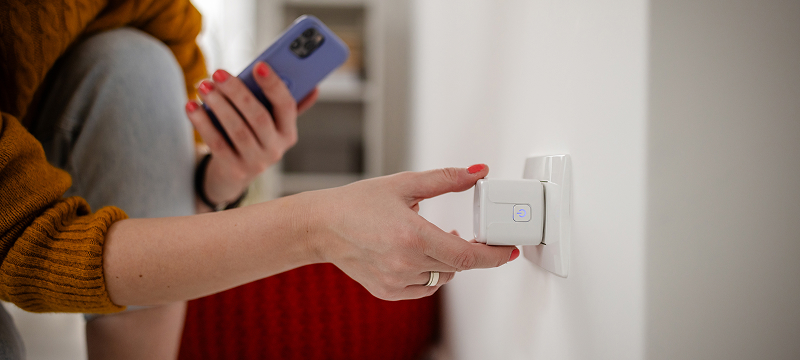
Smart plugs can help your loved ones rein in energy costs in unexpected ways. Plug any on/off device like a desk lamp, fan or entertainment system into a plug-in smart switch and control it from anywhere using an app — making it great for those “Oh no! I forgot to turn off the …” moments.
For added convenience, most models are compatible with other devices, such as smart thermostats, motion detectors or smart home platforms like Amazon Alexa, Apple HomeKit or Google.
Smart thermostats: For the “set-it-and-forget-it” on your list.
Best for: The budget-wise and comfort-conscious.
Cost: About $50-$250.
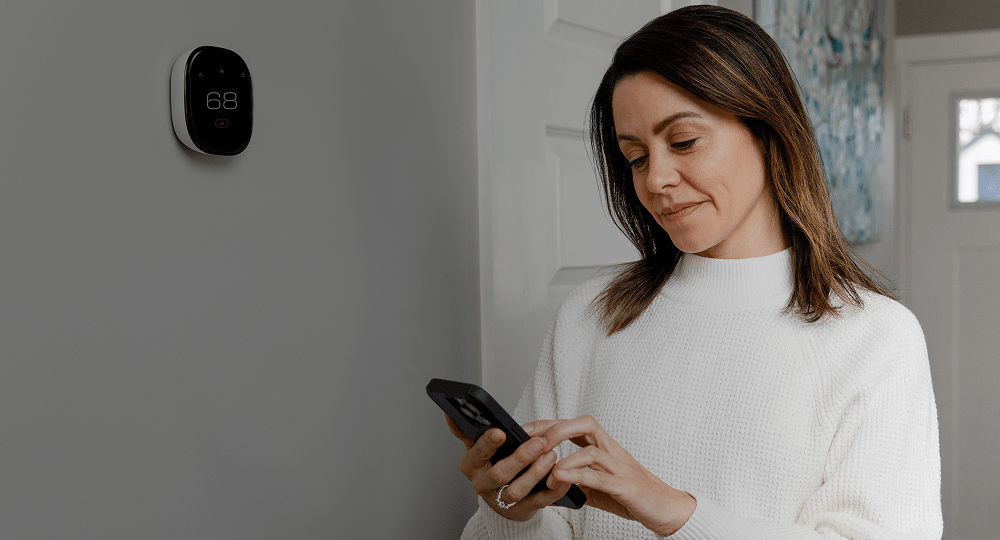
Smart thermostats make it easy to control your home’s energy use, reduce energy costs and improve your comfort. ENERGY STAR® estimates that families can save between $50 and $100 each year by using a smart thermostat.
If your recipient’s local power company is participating in TVA EnergyRight’s Smart Thermostat Rewards, additional rebates may be available.

Smart dimmer switches and motion detectors: A stocking-stuffer for the trend-setters.
Best for: The vibe-setter and the traveler.
Cost: About $15 per switch.
Smart dimmer switches enable your friends and family to dim groups of lights throughout their home simultaneously, or they can create an automated schedule to turn on or off when they’re not home.
Smart LED bulbs: For the mood-setters in your life.
Best for: The interior designer and the emotional chameleon (AKA: teenagers).
Cost: About $30 for a 3-pack.
Level up your friends’ LED game with smart LED bulbs. They’ll be able to program their lights to turn on when they detect motion, align brightness to circadian rhythms, select color and color temperature, and schedule or automate individual bulbs to fit their schedules — and control them all via an app or voice command.

Smart ceiling fan switch: For the dad who has everything.
Best for: The height-averse, comfort-minded and hard-to-shop-for loved ones.
Cost: About $90 per switch.
We know your ceiling fans are already running clockwise for the winter, circulating warm air from the ceiling throughout your home, but are your friends fans of the seasonal ceiling fan direction? Installing a wall switch that controls hard-to-reach ceiling fans makes seasonal adjustments a breeze. Some switches even connect to the internet, a home assistant or a smart thermostat so that the fan turns on when a room gets too hot or cold — or turns off when the room is empty.
WaterSense-certified sprinkler controller: For the gardeners who grow.
Best for: The green thumb (or the brown thumb).
Cost: About $200 for an 8-zone system.
Traditional sprinkler systems can be wasteful and inefficient. The EPA reports that WaterSense-certified smart controllers can save the average home 7,600 gallons of water each year! A Wi-Fi smart sprinkler acts like a thermostat for a sprinkler system by telling it when to turn on and off. They take the guesswork out of watering and can adjust water schedules based on hyper-local weather and soil conditions.
Water leak sensor: For the compulsive worrier.
Best for: The worrier and the controller.
Cost: About $50 for a 2-pack.
The EPA estimates that everyday household leaks in the U.S. account for about 1 trillion gallons of wasted water each year! To catch small leaks before they become costly catastrophes, give the worriers in your family a pack of smart leak sensors. They can place the sensors around washing machines, dishwashers, water heaters, toilets and any other leak-prone areas and receive a smartphone alert if a leak is detected.
Whole-home energy monitoring: For the geeks you know and love.
Best for: The data-driven homeowner and the engineer.
Cost: About $100-$300.
Whole-home energy monitors measure the amount of electricity your home uses — right down to individual circuits and devices. Although the monitor won’t help your friends reduce energy use, it will help them identify what’s consuming the most electricity so they can make informed energy decisions. Some apps even allow users to optimize the schedules of high-draw devices such as dryers, air conditioners and EV chargers so that they run during off-peak hours.