
10 signs your home is losing heat this fall.

You know what the best season is? It’s shoulder season. That’s the magical in-between time of the year when you start the day in your favorite hoodie, spend the afternoon in flip-flops and end the day back in that fuzzy sweatshirt. Best of all: That season is now!
However, as the days begin flip-flopping between warm afternoons and chilly mornings, your home may start sending you reminders that winter is on its way.
And when that first cold snap hits, most of us do the same thing: cross our fingers and turn the heat on. (Hopefully you’ve scheduled your annual HVAC tune-up — there’s a rebate for that! — so there shouldn’t be any surprises!)
But once your system is up and running, if some rooms still feel chilly, or your heat is on longer than you expected, your home may be trying to tell you something.
That “something” is usually energy loss, and it’s more common than you’d think. Fortunately, we speak the same language as your home, and we can help you figure out what it’s saying. Here are 10 signs your home is losing energy, plus what you can do to fix it before winter really settles in.
What to keep an eye, ear and hand out for as the temperature starts to drop.
You’ve probably gotten into your air conditioning groove over the last few months, so heating mode can take some getting used to — and that’s probably why you’re more attuned to changes in the hallway’s temperature, hot bedrooms and bills that don’t quite add up.
1. You can feel a draft near doors and windows.
Hold your hand near the edges of an exterior door or window frame on a windy day. Feel a breeze? That’s outside air finding its way in — and your heated air finding its way out.
2. Cold air seems to creep up from your baseboards.
Baseboards are one of the most overlooked spots for air leaks. Gaps between the baseboard and the floor or wall can let conditioned air (whether it’s warmed or cooled) slip out of living spaces and into unconditioned areas such as walls or crawl spaces.
3. You can see daylight around a door or window frame.
This one’s simple: if light can get in, so can air. Visible daylight around a doorframe or window sash is one of the clearest signs of a leaky seal.
4. Some rooms never feel as warm as others.
If your living room is toasty but the guest room down the hall feels like a walk-in cooler, uneven heating is often a sign of air leaks or insufficient insulation in that part of the house.
5. Your heat seems to be running constantly.
If your HVAC system is cycling on and off more than usual, or running nonstop as it tries to reach your set temperature, it may be fighting a losing battle against warm air escaping through leaks.
6. Your energy bill doesn’t look quite right.
A bill increase is normal once the heating season starts. But if your bill spikes dramatically compared to last year, air leaks and poor insulation are common (and fixable) reasons why.
7. Your dust cloth is getting a workout.
If you notice dust or debris gathering near vents, outlets or baseboards, something’s up. Air doesn’t just leak out — it can also suck dust and debris in through the same gaps, leaving a telltale buildup near outlets, vents and along baseboards.
8. Doors and windows are hard to open or close.
Frames that have shifted or warped over time often develop gaps you can’t always see but can definitely feel — both in the draft and in the extra effort it takes to shut the door.
9. Your floors feel unusually cold, even with the heat on.
Cold floors, especially over a crawl space or basement, can point to air leaks and insufficient insulation working against each other.
10. You can hear the wind outside a little too clearly.
If you can hear outdoor noise (or feel a slight whistle) around a window or door frame, air is very likely moving through that same gap.
If your home has been chatting about any of these things, then it’s a good bet you have some air sealing to catch up on.
What’s actually causing all this? (Spoiler alert: air leaks.)
Air leaks occur when gaps and cracks form around the parts of your home where different materials meet — doors, windows, baseboards, plumbing penetrations, electrical outlets and more.
Over time, homes settle, materials contract and expand with the seasons, and caulk or weatherstripping age and crack. None of this happens overnight, which is why it’s easy to miss until the weather changes and your heating system starts working harder to compensate.
The upside is that air sealing is one of the easiest and most affordable ways to improve comfort and lower energy costs.
Sealing up gaps helps your heating system do its job more efficiently, wasting less heat.
Want a deeper dive into how air sealing and insulation work together to keep your home comfortable all winter? Check out our guide on air sealing and insulation tips to get your house knitted up for sweater weather.
Getting your home ready for winter.
Once you’ve translated what your house is saying, here’s what you can do about it.
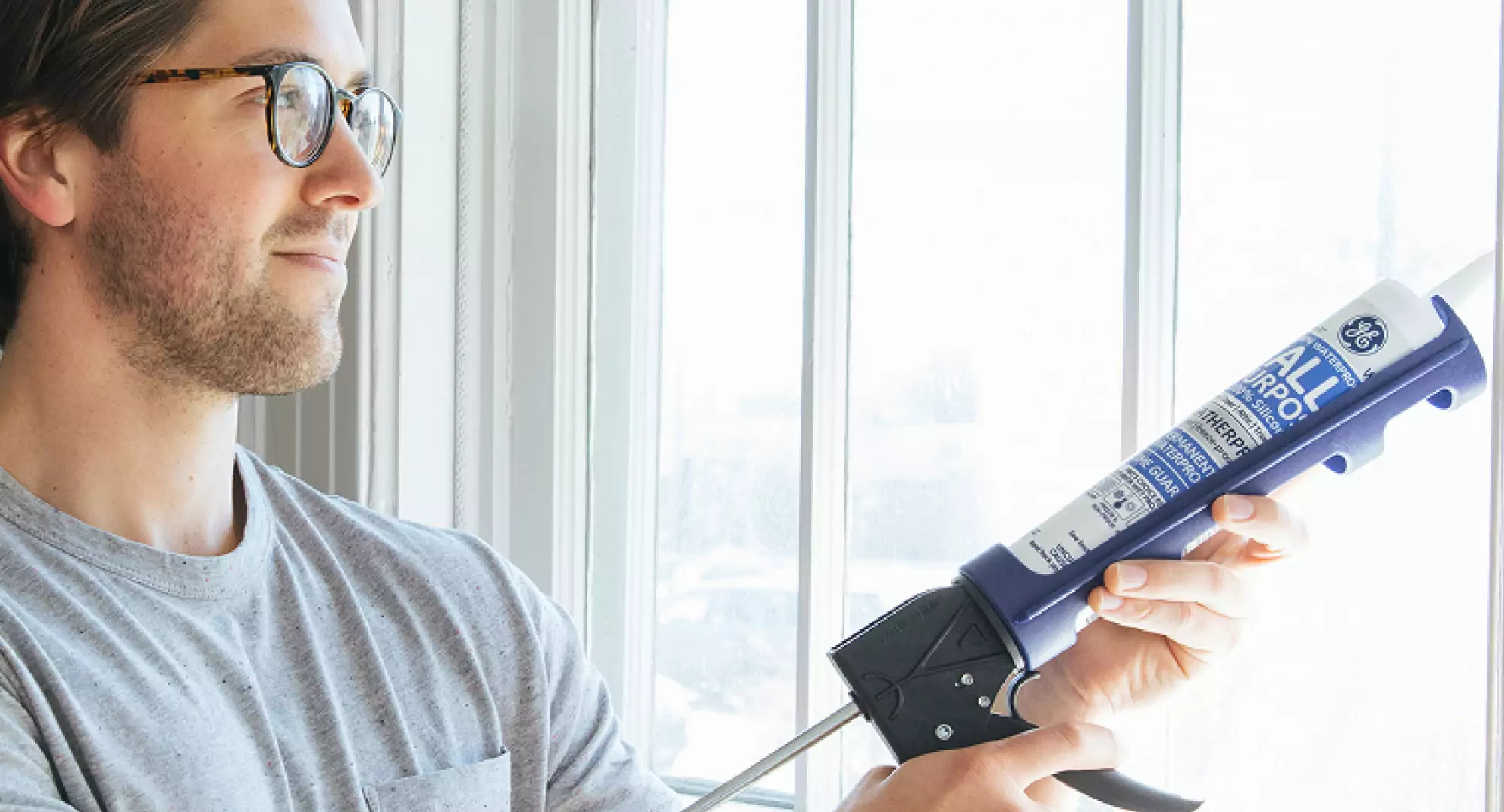
Start with the easy wins. Weatherstripping, door sweeps and caulk are inexpensive, DIY-friendly solutions that can seal up smaller gaps around doors, windows and baseboards. All it takes is a trip to the hardware store and a free afternoon.
To get a clearer picture of where you’re losing energy, take our free DIY Home Energy Assessment or schedule an in-person Home Energy Evaluation for tailored energy-saving recommendations.
Attics, crawl spaces and areas around recessed lighting or plumbing are trickier to seal on your own. Don’t hesitate to bring in a pro for the big upgrades like insulation, duct sealing or professional home envelope air sealing. T
Not sure who to call? Our blog on finding trusted help for your home energy upgrades walks you through how the Quality Contractor Network works and how we’re making it easier than ever to find a licensed, TVA-vetted contractor near you.
Don’t let a few small gaps turn into a big winter bill.
Slipping into your favorite team’s hoodie for the season is a sure sign that it’s time to check in on your home and take care of your comfort … and heating system.
Whether you tackle a little weatherstripping yourself or bring in a member of the Quality Contractor Network for a bigger energy upgrade, taking action now means a more comfortable, more efficient home all winter long.

Related stories
-
 Residential
Air sealing and insulation tips to get your house knitted up for sweater weather.
View moreAs the golden days of summer give way to crisp autumn mornings and icy winter evenings, now is the perfect time to prepare your home for cool weather days. One of the most effective, affordable — and often overlooked — ways to stay cozy and reduce your energy bills by taking advantage of our DIY […]
-
 Residential
Your home energy efficiency playbook.
View moreWhether you’re a renter, homeowner or landlord who’s considering upgrading aging systems, understanding the fundamentals of home energy efficiency is important. We’re working closely with local power companies throughout the seven-state Tennessee Valley region to help people like you lower your energy bills with energy-saving recommendations, rebates and more.
-
 Residential
Can air sealing and duct system maintenance save you money?
View moreIt sure can! As with most things, the better you take care of it, the longer it will last. Cars need to have their oil changed for reliability, air filters need to be replaced to improve air quality, and your home needs air sealing and duct system maintenance for optimal energy efficiency. That’s not only […]