
Can air sealing and duct system maintenance save you money?
It sure can! As with most things, the better you take care of it, the longer it will last. Cars need to have their oil changed for reliability, air filters need to be replaced to improve air quality, and your home needs air sealing and duct system maintenance for optimal energy efficiency.
That’s not only because air sealing and insulation and duct system maintenance help maintain good indoor air quality and a comfortable home, but also because they support the efficiency of your heating, ventilation and air conditioning (HVAC) system.

When you spring for home air sealing and maintain your duct system, you take unnecessary stress off your HVAC system. This can help lower your monthly energy bill and help reduce the risk of paying for extensive repairs or prematurely replacing a very expensive piece of equipment!
Let’s take a closer look at these important, but often overlooked, areas of home maintenance.
What is air sealing?
Air sealing, sometimes referred to as weatherization, is the process of identifying and sealing any gaps or cracks inside your home or in your home’s exterior where air can sneak in or out. It’s like your home’s very own bouncer, one that blocks uninvited outside air and pollutants from entering so that all the people inside can continue to have a good time!
These gaps and cracks may seem like no big deal, but they can actually have a significant negative impact on your energy bill each month. When your HVAC system is producing all that warm, cozy heat in the winter or cool, conditioned air in the summer, those gaps and cracks are letting all the good stuff right out the literal window.
As conditioned air escapes your home, it forces your HVAC system to run more frequently to maintain your preferred indoor temp, which uses more energy and drives your energy bill up.
The EPA estimates that homeowners can save an average of 15% on heating and cooling costs (or an average of 11% on total energy costs) by air sealing, duct sealing and insulating their homes (ENERGY STAR).
Let’s say your average monthly energy bill is $150, or $1,800 per year. Just by air sealing and insulating your home, you could save around $200! Plus, your HVAC system won’t have to work as hard, which can help extend its overall lifespan.
5 reasons why air sealing your home is a good idea.
Nine out of 10 single-family detached homes in the U.S are under-insulated (ENERGY STAR)! So it’s a safe bet that pretty much all homes (even brand-new builds) could benefit from air sealing, insulation and duct sealing.
Top benefits of air sealing include:
- Saving money by lowering your energy bill.
- Increasing your indoor comfort.
- Blocking outside pollutants.
- Improving the efficacy of your insulation and HVAC system.
- Helping extend the lifespan of your HVAC system.
Combine our home energy rebate on air sealing with rebates on HVAC tune-ups, insulation and duct sealing to increase your total savings.

5 signs your home would benefit from air sealing.
If you’ve never looked at your attic’s insulation, caulked a window or thought about weather stripping, there’s a very, very high probability that your home will benefit from professional air sealing.
Common symptoms of air leaks:
- Visible daylight around doors or windows.
- Visible gaps or cracks around plumbing fixtures and electrical wires.
- Drafty rooms or cold spots.
- Difficulty maintaining your desired temperature.
- Higher than normal energy bills.
The most common places for air leaks in homes.
While some areas of your home might seem like obvious places for air leaks, like around doors and windows, here are a few more areas to explore:
- Pipes and drains
- Electrical sockets
- Light switches
- Recessed lighting fixtures
- Floorboards and floor vents
- Floors, ceilings and walls
- Crawl spaces, attics and basements
- Unheated garages
How to air seal your house.
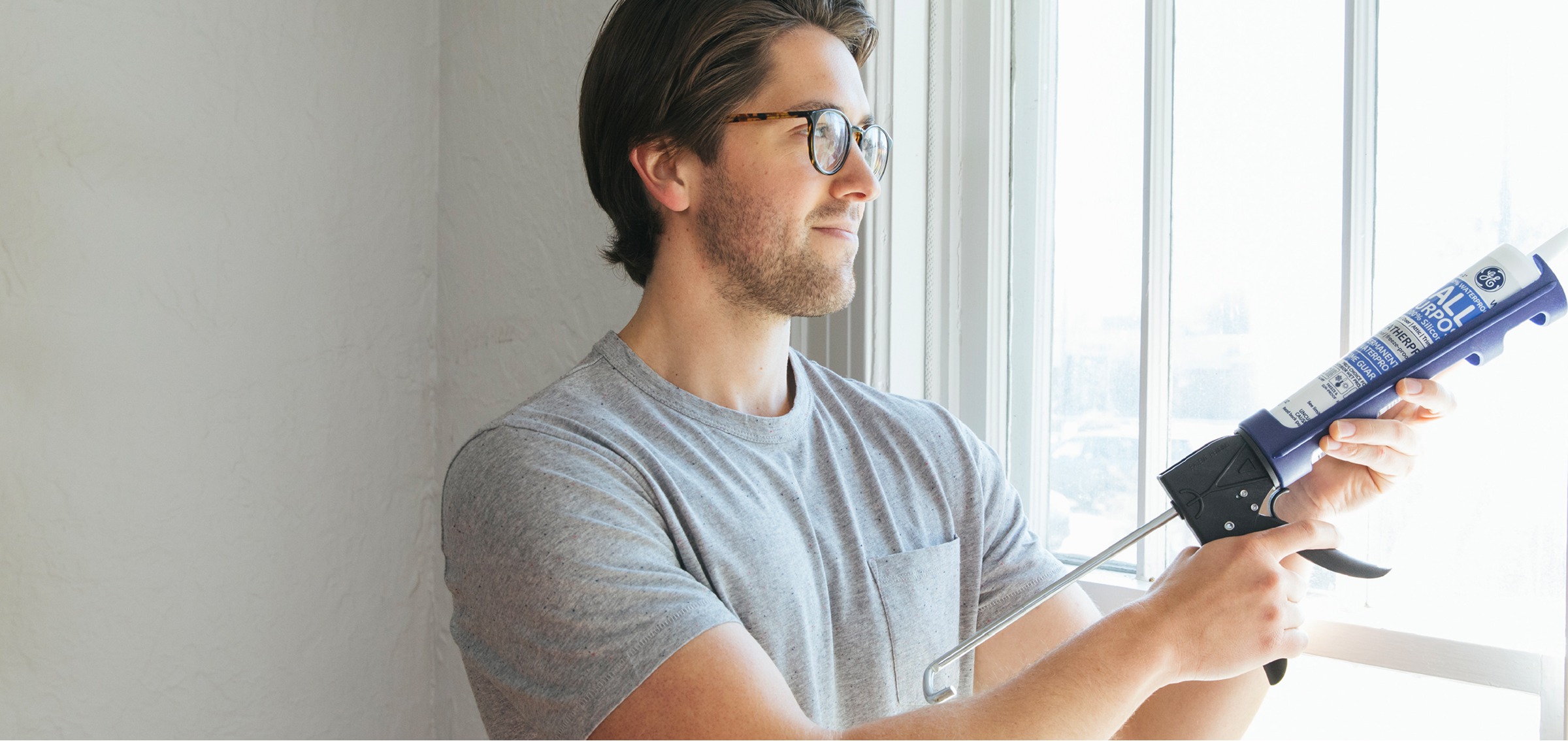
In general, some areas of a home are easier to seal air leaks than others. If you’re wondering how to air seal your house, you can take a stab at DIY weatherization with a few simple air sealing tools, like weatherstripping, door sweeps, caulk, a caulk gun and some spray foam. These methods are usually simple, straightforward and very affordable.
Professional home air sealing vs. DIY home air sealing.
If DIY isn’t your thing or you’re hoping to reach areas of your home where your DIY skills just won’t go — like adding attic and wall insulation to your air sealing quest — then go with a professional. They’re going to get to those tough-to-reach spots in your crawl space or attic, around recessed lighting and plumbing, or more complex issues around doors and windows.
Everyone’s budget, schedule and confidence with DIY tasks are different. So whether you’re able to hire a professional to air seal your home or would prefer to go the DIY route, you’ll surely feel the benefits of air sealing and duct system maintenance.
Use our Quality Contractor Network to find licensed and insured contractors near you. Vetted by TVA and trained to meet our project quality standards, Quality Contractor Network members can complete your air sealing job and give you direct access to our air sealing home energy rebate or any financing support you might need.

What is duct sealing? (And how is it different from air sealing?)
Now that we’ve tackled air sealing, let’s talk about your home’s ventilation system and ductwork. Like air sealing, duct sealing is another one of those unsung home energy heroes pulling far more weight than you realize.
Your home’s duct system works hand in hand with your heating and cooling unit. So while your heat pump, AC or furnace is busy creating the heating and cooling necessary to get your home to its desired temperature, your duct system is responsible for actually moving that warm or cool air around your home.
Your HVAC systems also work together to maintain indoor air quality, regulating your home’s temperature and humidity while removing pollutants from the air you breathe inside your home. Your duct system has a big job, so ensuring that it operates at peak efficiency is a priority.
5 reasons why you should seal and insulate your duct system.
You can lose 20%-40% of your heating and cooling through air leaks and poor duct insulation. Sealing, insulating or replacing ductwork comes with a number of benefits.
These simple duct fixes can:
- Save money.
- Reduce energy waste.
- Protect the air you breathe.
- Increase your indoor comfort.
- Put less wear and tear on your HVAC system.
Plus, TVA EnergyRight offers a $300 rebate on duct system upgrades so you can enjoy a more energy efficient home at an affordable price.
6 signs your ductwork needs maintenance.
For the most part, your home’s ductwork won’t be visible to you. But just because you can’t see a crack or feel a leak doesn’t mean your home won’t give you helpful signs that maintenance needs to be done.
Ductwork issues to be on the lookout for:
- Higher than normal energy bills.
- Difficulty maintaining your desired temperature.
- Uneven heating and cooling.
- Noticeable dustiness.
- Whistling or whooshing sounds when your HVAC runs.
- Dirt, dust, mold or condensation around air vents.
Professional duct system maintenance vs. DIY duct system maintenance.
While it’s hard to deny the magical powers of duct tape, unless you really know what you’re doing with your duct work, leave maintenance to the professionals. We recommend getting your ductwork cleaned by a professional every two to five years — more frequently if you have furry friends or household members whose health could be affected by negative changes in indoor air quality.
What to expect from a professional duct cleaning:
- Removal of dirt, dust and mold from the supply and return ducts and registers, diffusers and grilles, system coils, drip and drain pan, fan motor and HVAC system cabinetry.
- Identifying and sealing gaps or cracks.
- Cleaning vents and filters.
Even though we recommend hiring a professional to clean your entire duct system, there are still some easy maintenance tasks you can do yourself that will help maintain the integrity of your ductwork and HVAC system.
3 things you can do to help keep your ducts clean:
- Change your air filter at least once every three months.
- Brush off dust and dirt from your air vents and registers.
- Run your bathroom exhaust fan while you shower to prevent moisture buildup and mold.
Air sealing and duct system maintenance can protect your HVAC, save you money and keep you comfy.
An ounce of prevention is worth a pound of cure, especially if it means you can avoid the expensive task of replacing your HVAC system earlier than you anticipated. Air sealing your home and maintaining your duct system pays off. Increase your home’s energy efficiency, lower your energy bills and enjoy a more comfortable home year-round.
Skip the hassle of scrolling through pages of contractor search results! All Quality Contractor Network members are vetted by TVA and trained to meet our project quality standards. Plus, we offer a free job inspection by a TVA-certified Home Energy Advisor for added peace of mind.
Find a TVA-vetted contractor and get home energy rebates today.
Search the Quality Contractor Network for free and find TVA-vetted contractors near you.
Related stories
-
 Residential
Air sealing and insulation tips to get your house knitted up for sweater weather.
View moreAs the golden days of summer give way to crisp autumn mornings and icy winter evenings, now is the perfect time to prepare your home for cool weather days. One of the most effective, affordable — and often overlooked — ways to stay cozy and reduce your energy bills by taking advantage of our DIY […]
-
 Residential
Your home energy efficiency playbook.
View moreWhether you’re a renter, homeowner or landlord who’s considering upgrading aging systems, understanding the fundamentals of home energy efficiency is important. We’re working closely with local power companies throughout the seven-state Tennessee Valley region to help people like you lower your energy bills with energy-saving recommendations, rebates and more.
-
 Residential
10 signs your home is losing heat this fall.
View moreYou know what the best season is? It’s shoulder season. That’s the magical in-between time of the year when you start the day in your favorite hoodie, spend the afternoon in flip-flops and end the day back in that fuzzy sweatshirt. Best of all: That season is now! However, as the days begin flip-flopping between […]