
5 ways to maximize the efficiency of your heat pumps and ductless mini splits.

If your HVAC system is 10-15 years old and you’re proactively considering replacing it, you may be exploring heat pumps. Ductless mini splits as well as ducted dual fuel and air source heat pumps are all great options for our seven state region.
As you consider your HVAC replacement options, here are a few practical tips for getting the most out of a new heat pump system.
Understanding how heat pumps work best.
Before we dive into efficiency tips, it helps to understand what makes these systems special.
Heat pumps use electricity to transfer heat from a cool space to a warm space. During cold seasons, they move heat from outside air and pump it into your home to warm it. During warmer seasons, they move heat from your home into the outdoors. Because heat pumps transfer heat — rather than generating it — they are significantly more efficient than traditional heating systems.
For a deeper dive into the mechanics of heat pumps, check out “What’s a heat pump and how do they work?”
If you’re considering a ductless system, a mini split may be the way to go.
#1 — Set it and forget it.
Keep your fingers off your thermostat. Really! Heat pumps work differently from traditional furnaces. While it stands to reason that lowering your thermostat anytime you feel like it will reduce energy use, that’s not the case with a heat pump. These systems actually perform best when maintaining a steady temperature.
Find a temperature that’s comfortable for you and stick with it. Remember, every degree counts, so find your coolest comfortable range in the winter (aim for 68-72 °F) and your warmest threshold in the summer (aim for 74-78 °F). If you know you’ll be away from home during the work day or for a prolonged vacation, lower your thermostat by just 3-5 °F. The same principle applies to your overnight settings.
And although the “auto” mode may seem tempting. Avoid using it if you have a heat pump. It can force your system to cycle between heating and cooling unnecessarily.
If you have a smart thermostat, you can program it to precondition — pre-heat or pre-cool — your home 30 minutes before you return.
Do not set back the heat pump’s thermostat if it causes the backup heating to come on. Backup heating systems, such as electric resistance or electric strip heaters, are usually more expensive to operate because they are less efficient.

#2 — Clean or replace filters regularly.
Just like a conventional furnace, your heat pump benefits from clean filters, too!
Your heat pump’s air filter is a little bit like your lungs: Just as your lungs have to work harder in smoky or smoggy conditions, a dirty filter forces your heating and cooling system to work harder. And a system that’s laboring — whether it’s you or your furnace! — simply isn’t as efficient as it could be. And in the case of a heat pump, hard work means higher energy bills and more wear and tear on your equipment. A few minutes spent cleaning filters can make a real difference in your comfort and your wallet.
For ducted air source and dual fuel heat pumps, we recommend cleaning or changing filters every three months or as recommended by the manufacturer or installer. (While you’re at it, check out “8 reasons why seasonal maintenance is a good idea.”)
For ductless mini splits, filters should be cleaned every two to four weeks, especially in high-use seasons or homes with pets, dust or allergies. The good news? Most mini split filters are reusable. Just rinse them under a faucet, let them dry completely and put them back. Be sure to refer to your user’s manual for detailed instructions.
#3 — Keep outdoor units clear and clean.
Your outdoor unit works hard year-round, so give it some breathing room.
Clean heat pump outdoor coils with a gentle stream of water whenever they appear dirty. With the power to the fan turned off, remove vegetation, dust, pollen and clutter from around the outdoor unit.
Make sure there’s at least two to three feet of clearance around the unit. Trim back shrubs, remove leaves and clear away any debris after storms. In winter, gently brush off snow (never use hot water—it can damage the coil).
#4 — Schedule a routine tune-up.
DIY is great, but we can’t emphasize this enough: professional maintenance is worth every penny. That’s one of the reasons we offer a $50 rebate on tune-ups.
#5 — Performance boosters are a great idea.
Up to 30% of conditioned air — heated or cooled — can be lost through leaky ducts. If you’re investing in a high efficiency system, and you want to maximize its efficiency, you’ll want to make sure that your ducts are in good shape. And guess what? There’s a rebate for that, too.
Thermostats can also make a big difference. If you don’t already own a smart thermostat, having one installed as part of your new system is a solid move.
If you have questions about your system or need help finding a qualified contractor for installation or routine maintenance, check out our find a contractor tool. You can search for local, TVA-vetted contractors for free. They’ll help you decide on a system that’s best for your home and can help you apply for rebates, too!
Related stories
-
 Residential
Your home energy efficiency playbook.
View moreWhether you’re a renter, homeowner or landlord who’s considering upgrading aging systems, understanding the fundamentals of home energy efficiency is important. We’re working closely with local power companies throughout the seven-state Tennessee Valley region to help people like you lower your energy bills with energy-saving recommendations, rebates and more.
-
 Residential
Can air sealing and duct system maintenance save you money?
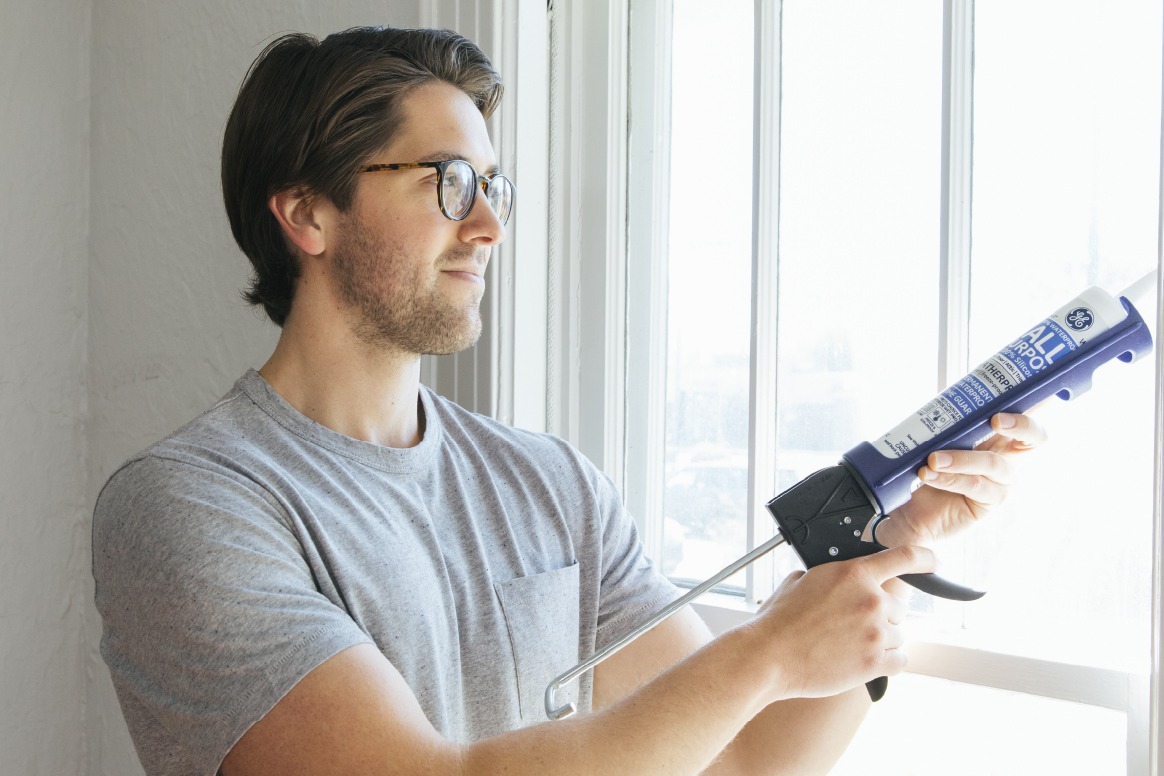
View moreIt sure can! As with most things, the better you take care of it, the longer it will last. Cars need to have their oil changed for reliability, air filters need to be replaced to improve air quality, and your home needs air sealing and duct system maintenance for optimal energy efficiency. That’s not only […]
-
 Residential
Fun science for kids: It’s not the heat, it’s the humidity!
View moreEver step outside on a hot day and feel it right away? If your skin feels sticky and your hair starts to frizz before you’ve even left the porch, it’s probably humidity. So what is humidity? It’s the invisible water vapor (it’s a little like fog that you can’t see) floating in the air all […]